



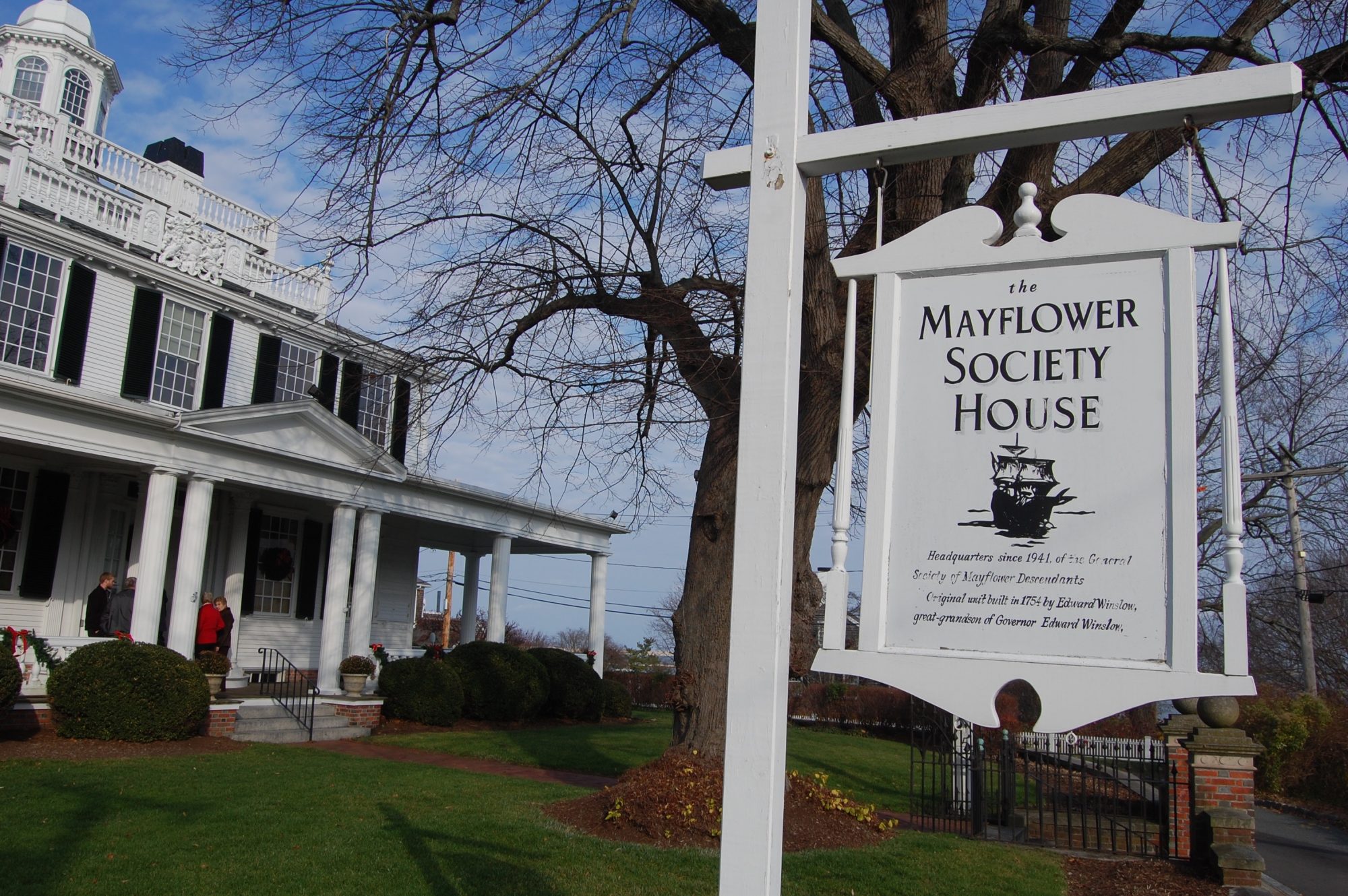
Mayflower Society Lecture Program – How did the Rule of Law come to Plymouth Colony? In an 1802 oration at a Forefathers’ Day dinner in Plymouth, John Quincy Adams renamed the Plymouth Combination as the Mayflower Compact and hailed it as “a unanimous and personal assent, by all of the individuals of the community, to the association by which they became a nation…” In contrast to Adams’ praise of democratic dynamism, the General Fundamentals of New-Plimouth (1636), America’s first settler-drafted constitution, bill of rights, and legal code, emphasized that the Pilgrims came to Plymouth Colony “as free born Subjects of the Kingdom of England, endowed with all and singular the privileges belonging to such…” And in Made in America: The Pilgrim Story and How It Grew, Plymouth historian James W. Baker noted that the Mayflower Compact was a “complete demonstration that [the Pilgrims] were planting the seeds of the old truths, not attempting to make some new and unknown harvest from untried seed.”
What made the Pilgrims bold enough to take the law into their own hands–not as lawless vigilantes on the frontier of the Atlantic world but as New England’s first lawmakers? This lecture traces the seeds of the Mayflower Compact, the General Fundamentals, and Revolutionary Plymouth back to the “old truths,” the rights and privileges the Pilgrims enjoyed as “free born Subjects of the Kingdom of England.” David Furlow, a Texas Supreme Court Historical Society trustee and Justiciar (Vice President) of the Baronial Order of Magna Carta, will discuss how the Pilgrims transplanted the seeds of Magna Carta into Plymouth’s rocky soil–then nurtured those seeds into a deeply-rooted Anglo-American Rule of Law, culminating in the American Revolution.
Register to Reserve a Seat Here or on the Event Website.
Upcoming Events on the
Kingston Line
Magic the Gathering (Plymouth)
July 27 @ 6:30 pm - 8:00 pm
Grab-N-Go Community Dinner (Plymouth)
July 28 @ 4:30 pm - 6:00 pm
Plant Bingo @ Vitamin Sea Brewing (Plymouth)
July 28 @ 6:00 pm - 9:00 pm
Science of the South Shore: Wrack Line Wonders (Plymouth)
July 29 @ 10:00 am - 11:30 am
Rev250 Movie Series (Plymouth)
July 29 @ 6:00 pm - 8:30 pm